
San Jose Breast Reconstruction Surgery
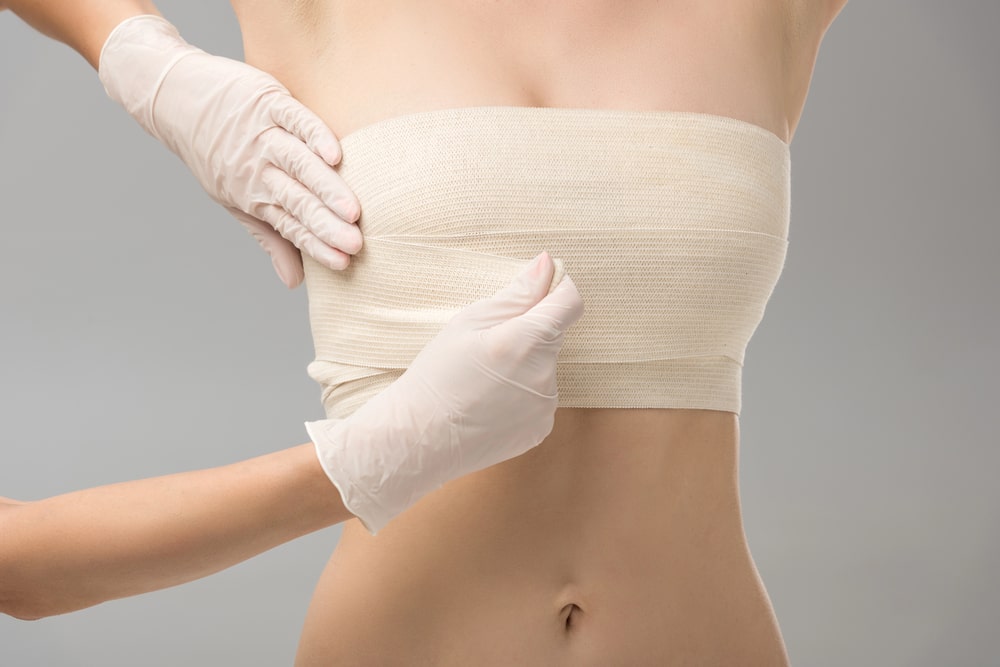
Are you looking for a breast reconstruction surgeon in San Jose, CA?
At Dr. Kirk A. Churukian, we are trusted breast reconstruction physicians serving patients in San Jose, CA for over 30 years.
If you are preparing for a mastectomy, have completed one, or need revision of an earlier reconstruction, breast reconstruction surgery can restore the shape and symmetry of the chest. It doesn’t have to happen right away. Some patients begin during the mastectomy, while others wait until chemotherapy and radiation are finished. Dr. Kirk A. Churukian earned his medical degree at the Keck School of Medicine of USC and has been certified by the American Board of Plastic Surgery since 1999. Schedule a free consultation to discuss San Jose, CA breast reconstruction surgery and the timing that fits your treatment.
Breast Reconstruction Surgeon in San Jose, CA
Breast reconstruction rebuilds the breast after a mastectomy, after a lumpectomy that changed its shape, or after an earlier reconstruction that needs repair. Surgeons use implants, the patient’s own tissue, or a combination of the two. The opposite breast is often adjusted as well, so both sides match. We perform reconstruction alongside our other breast procedures. But the planning is different. Cancer treatment determines the timing.
In the state’s 2024 health profiles, Santa Clara County recorded an age-adjusted death rate from female breast cancer of 12.7 per 100,000 women, tied with San Francisco County for the lowest in California. More women here complete treatment, and many of them later consider reconstructive breast surgery in San Jose.
Breast Reconstruction Services We Offer in San Jose
Most patients need two or three stages. The procedures below may be combined in a single operation or spaced months apart, depending on cancer treatment and how the tissue heals, and Dr. Churukian recommends a sequence for San Jose breast reconstruction only after examining the chest and reviewing your medical history.
- Tissue expander placement. This temporary device sits beneath the skin or chest muscle. Over several weeks, it is gradually filled to stretch the tissue and make room for a permanent implant.
- Breast implants. Once expansion is complete, a silicone or saline implant replaces the expander in a second operation. Patients with enough healthy skin may skip the expander and receive the implant during the mastectomy.
- Fat grafting. Fat taken from the abdomen, thighs, or flanks is purified and injected into the reconstructed breast. We use it to smooth dents, soften visible implant edges, and even out small differences in volume.
- Nipple and areola reconstruction. It’s usually the last step. After the breast mound settles, small flaps of local skin are shaped into a nipple, and the areola is often re-created with medical tattoo pigment a few months later.
- Revision of a prior reconstruction. Scar tissue around an older implant can tighten and harden, a condition called capsular contracture. Implants can also rupture or shift out of position. Revision may involve exchanging the implant, adjusting the pocket, or adding fat where the contour has thinned.
- Breast lift. After one breast is rebuilt, the natural breast often sits lower than the reconstructed side. Lifting it brings the two into a similar position.
- Breast reduction. When the natural breast is noticeably larger, reducing it brings the two sides closer in size. This step is often scheduled alongside a later reconstructive stage.
- Breast augmentation. An implant can add volume to a smaller natural breast so that it matches the reconstructed side, with the implant type and profile chosen to complement the reconstruction.
Why Choose Dr. Kirk A. Churukian for Breast Reconstruction in San Jose, CA?
Reconstructive Training and Academic Appointment
Dr. Kirk A. Churukian trained in general surgery through the University of California, San Francisco before completing his plastic surgery residency at the University of Louisville School of Medicine in 1995. He’s a Fellow of the American College of Surgeons. At Stanford University, he serves as Clinical Assistant Professor of Surgery in Plastic and Reconstructive Surgery and teaches surgical trainees. His use of fat grafting to create natural contour is well recognized, and it carries directly into reconstruction, where small grafts refine the final shape of a rebuilt breast.
Hospital Work and Local Practice
Outside the office, Dr. Churukian works as a trauma specialist at local hospitals. He treats complex reconstructive injuries there, with a particular focus on breast reconstruction for cancer survivors. As a plastic surgeon in San Jose, CA, he also performs breast lifts, reductions, and augmentations, which are the same operations used to match a natural breast to a reconstructed one. He belongs to the Santa Clara Medical Society, the California Society of Plastic Surgeons, and the American Society of Plastic Surgeons.
And consultations at our practice are free. You can review the full, multistage plan before committing to surgery.
Understanding Breast Reconstruction Care
Conditions We Treat and Treatment Options
Breast reconstruction most often follows treatment for breast cancer, but it’s also appropriate for women who choose preventive mastectomy because of inherited risk and for patients whose earlier reconstruction has changed or developed complications.
- Mastectomy for breast cancer, on one side or both
- Preventive mastectomy because of a BRCA1 or BRCA2 mutation or another inherited risk
- A dent or size difference left after lumpectomy and radiation
- Chest skin that radiation has thinned or tightened
- An earlier implant that has hardened, ruptured, or shifted
- Asymmetry between the reconstructed breast and the natural one
Implant reconstruction uses a manufactured device, usually after a period of tissue expansion. Autologous reconstruction transfers skin, fat, and sometimes muscle from another part of the body. The two are sometimes combined. Radiation history, body shape, prior surgery, and smoking all influence which method makes sense, and timing matters too, since tissue-based reconstruction is often postponed until radiation is complete.
Silicone implants generally feel closer to natural tissue than saline implants. Neither type is permanent, though, and both share the known limitations of implants, including a finite lifespan and a risk of rupture. Liposuction collects the fat used for grafting, and the donor area heals much like a standard liposuction recovery.
What Should You Expect from Breast Reconstruction Surgery?
- General anesthesia is used for the larger stages, such as expander placement and implant exchange.
- You’ll likely have temporary drains and a supportive surgical bra after the main operations. The drains come out at a follow-up visit once drainage slows.
- Mastectomy reduces sensation in the breast. Some feeling may return as nerves recover, but the degree varies widely from patient to patient.
- If you have silicone implants, the FDA advises periodic imaging to screen for silent rupture.
- Expect more than one operation before the final result.
What Is the Typical Treatment Timeline?
- Reconstruction is scheduled around chemotherapy and radiation, in coordination with your breast surgeon and oncologist.
- The first stage happens either during the mastectomy or after the incisions heal.
- Expansion takes several weeks of short office visits.
- About two to six months after the expander goes in, it’s exchanged for a permanent implant.
- Symmetry surgery, fat grafting, and nipple reconstruction come last, once the reconstructed breast has stabilized.
Every timeline depends on cancer treatment, healing, and overall health, so the intervals above are estimates and cannot be guaranteed. Radiation after mastectomy may lengthen the schedule. Treated tissue needs more time to recover before the next stage.
What Should You Bring to Your First Visit?
- Your insurance card and a photo ID
- Pathology and operative reports from the mastectomy or lumpectomy, if you have them
- Chemotherapy and radiation dates, whether past or scheduled
- A list of current medications and supplements
- Any implant records, including the device card from a previous breast surgery
These records let Dr. Churukian build the reconstruction plan around your full treatment history.
What Are Some Important California Breast Reconstruction Resources?
Before surgery in San Jose, CA, patients can confirm credentials and coverage through public agencies that have no stake in the decision.
- Physician licensing. The Medical Board of California’s physician name search shows whether a surgeon’s license is current and lists any disciplinary action.
- Coverage protections. Group health plans provide specific reconstruction benefits after a mastectomy, and the U.S. Department of Labor explains them in plain language.
- Health plan complaints. If a state-regulated plan denies, delays, or changes a requested service, California’s DMHC Help Center accepts complaints and Independent Medical Review applications.
- Reconstruction options. The National Cancer Institute publishes an overview of implant and tissue-based reconstruction, timing, and follow-up care.
- Implant safety. Approved breast implants, their known risks, and recent safety communications are listed by the Food and Drug Administration.
None of these resources replaces an in-person exam or the guidance of your cancer care physicians.
Contact Dr. Kirk A. Churukian
You can meet with Dr. Churukian before a mastectomy is scheduled or years after treatment ends. Either is a reasonable time to start.
During a free consultation, he walks through the stages that apply to your case, how far apart they’re likely to fall, and what recovery from each one involves, and he will answer questions about time off work and insurance paperwork. Contact us to request a consultation for breast reconstruction in San Jose, CA. Our office will help find a time that works around your treatment schedule.